Where Stillness Meets Stone

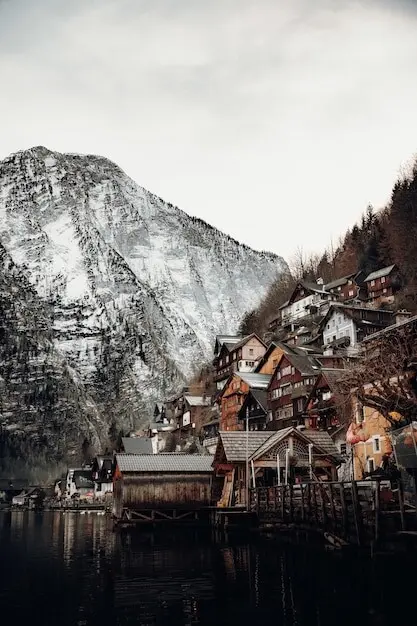
Today we’re immersing ourselves in minimalist mountain photography—capturing stillness and texture in alpine landscapes. Expect practical fieldcraft, thoughtful guidance on light and editing, and stories that prove less truly reveals more. Whether you carry a lightweight prime or simply your curiosity, this journey invites you to slow your breath, notice delicate patterns in snow and stone, and compose with purposeful restraint. Stay to the end for exercises, prompts, and ways to share your images with our community, building skill through honest feedback and gentle persistence.

Seeing Less, Saying More

Minimalism in the high country begins with subtraction: removing clutter, compressing distractions, and letting a single gesture breathe across the frame. Telephoto distances simplify chaos, while patient scouting reveals clean sightlines. When the horizon quiets and edges align, silence becomes legible. This practice rewards unhurried walking, deliberate framing, and a commitment to clarity. The goal is not emptiness but presence—inviting viewers to rest their eyes on essential form and texture without noise or narrative crowding the moment’s fragile balance.

Light That Carves Granite

Blue Hour and Whispered Detail

In the hour before sunrise and the hush after sunset, tonal steps narrow and transitions grow tender. Frost softens, shadows relax, and micro-textures become readable without screaming contrast. Use longer exposures to invite stillness, stabilizing with careful technique. Allow cool tones to gather dignity rather than saturation. The result can feel like ink bleeding through fine paper—measured, luminous, unforced. In such light, even a modest hill becomes architectural, offering subtle planes that encourage viewers to linger and listen more closely.

Alpenglow’s Breath on Snow

When alpenglow lifts across summits, it is less a color and more a breath. Choose angles that keep the glow from spilling everywhere; let it kiss one edge or arc. Underexpose slightly to protect highlight shape, then raise mids sparingly later. Snow holds this warmth delicately; avoid crowding with foreground fuss. If a faint cloud reflects the blush, let it echo the slope’s curve. The image becomes an exhale at altitude—brief, honest, unforgettable—anchored by restraint that honors the mountain’s fleeting, gracious light.

Backlight, Rim, and Grain

Backlight can rim a ridge with silver, separating layers without heavy contrast. Meter for the edge, guard highlights, and accept a quiet silhouette where necessary. Fine-grained sensors or low ISO film preserve transitions that make minimal frames believable. Resist dramatic flares unless they clarify structure. If wind lifts spindrift, backlight it gently, allowing texture to reveal airflow, not spectacle. The discipline is to reveal a boundary and nothing more, so the eye rests on a single luminous seam sketched against calm sky.

Textures of Ice, Rock, and Cloud

Snow’s Many Voices
Powder whispers, crust crackles, and wind-sculpted sastrugi speaks in calligraphy. Use longer focal lengths to compress patterns into legible sentences, letting a single curve anchor the frame. Under strong sun, tiny shadows become ink strokes; in overcast, tones melt into porcelain. Move a step to simplify, a step to reveal contour, never chasing novelty—only coherence. When your footprints risk confusion, back out and compose from pristine edges. The image should sound like breath on wool: soft, spare, and quietly persuasive.

Rock Faces and Patience

Granite and limestone display stories in chips, seams, and lichened planes. Watch for sidelight that grazes just enough to distinguish planes without shouting. Choose a slice of wall that expresses the massif’s character rather than cataloging everything. Small inclusions—a snow patch or lone tuft—can anchor scale if they harmonize with the rock’s rhythm. Wait through shifting clouds until the plane you love separates clearly. Patience here prevents busy, unreadable textures and rewards a restrained portrait of stone wearing its centuries with understatement.

Clouds as Moving Curtains

Treat cloud as a curtain, not the show. Thin veils simplify backgrounds, lifting clutter from serrated horizons. Time exposures so streaks echo slope angles instead of crossing them chaotically. Watch for brief harmonies when wind aligns forms into parallel lines, turning motion into structure. Avoid drama that drowns quiet geometry. If a single lenticular hovers, let it balance a ridge like a deliberate accent. The mountain remains the sentence, the cloud the punctuation—a gentle comma that guides breath without demanding applause.

Tools for Restraint

Gear should encourage clarity, not complication. A light tripod, a reliable remote, and a pair of lenses—moderate telephoto for compression, normal prime for honesty—often suffice. Polarizers tame glare on snow and deepen sky gradients carefully; graduated filters restrain bright horizons without theatrics. Keep packs lean to preserve curiosity and stamina at altitude. Embrace manual exposure and histogram discipline so decisions stay intentional. When tools vanish from your attention, the mountain’s quiet becomes louder, and your frames begin speaking with measured, confident simplicity.

Lenses That Simplify

Choose optics that gently compress and pare away. A 70–200 isolates slopes and ridges into purposeful planes; a 50 offers straightforward storytelling without distortion. Favor consistent rendering over exotic character so sequences remain cohesive. Prime lenses invite footwork, clarifying intent through movement. If weight matters, one lens can carry an entire trip’s vision when restraint guides choices. Simplicity in glass encourages simplicity in framing, and repeated focal lengths help your eye learn how lines settle into balanced, breathable compositions every time.

Tripod Rituals and Still Breath

A tripod is not only for sharpness; it is a ritual that slows you into seeing. Extend legs deliberately, square the horizon, breathe until your pulse quiets, and watch micro-changes in light. Lock, reframe, refine. This slowness reveals tiny misalignments you would miss handheld. Combine with a remote or timer, mirror lock or electronic shutter, and steady footing on snow to reduce tremors. The practice instills patience, turning exposure into meditation and ensuring textures render faithfully without nervous edges distracting from calm intent.

Fieldcraft in Harsh Calm

Reading Weather Like a Map

Study synoptic charts, not just icons. Katabatic flows can knife down valleys, clearing haze briefly; lenticular stacks hint at shear; fresh snow with rapid warming suggests loose instability. Combine forecasts with on-the-ground signs—spindrift banners, settling sounds, whumphs—and let safety shape your plan. Visual clarity often arrives in short windows following turbulence. By anticipating those small openings, you reach the right perch without rushing, ready to compose a single clean frame rather than wandering exposed when conditions tighten into needless risk.

Safe Paths to Solitude

Study synoptic charts, not just icons. Katabatic flows can knife down valleys, clearing haze briefly; lenticular stacks hint at shear; fresh snow with rapid warming suggests loose instability. Combine forecasts with on-the-ground signs—spindrift banners, settling sounds, whumphs—and let safety shape your plan. Visual clarity often arrives in short windows following turbulence. By anticipating those small openings, you reach the right perch without rushing, ready to compose a single clean frame rather than wandering exposed when conditions tighten into needless risk.

Cold Management for Batteries and Skin

Study synoptic charts, not just icons. Katabatic flows can knife down valleys, clearing haze briefly; lenticular stacks hint at shear; fresh snow with rapid warming suggests loose instability. Combine forecasts with on-the-ground signs—spindrift banners, settling sounds, whumphs—and let safety shape your plan. Visual clarity often arrives in short windows following turbulence. By anticipating those small openings, you reach the right perch without rushing, ready to compose a single clean frame rather than wandering exposed when conditions tighten into needless risk.

Editing with Air and Silence
Post-processing should preserve restraint. Begin with global balance: gentle white point, moderated blacks, and curves that caress midtones where texture lives. Use local adjustments sparingly to separate planes, not to manufacture drama. Desaturate busy blues, protect delicate pinks, and respect natural luminance of snow. Dust-spot diligently to maintain pristine surfaces. Delete bravely to keep sequences coherent. When editing carries the same patience as fieldwork, your images feel inevitable rather than engineered, inviting viewers into altitude’s hush without distraction or heavy-handed digital fingerprints anywhere.

Curves that Whisper, Not Shout

Shape tonality with a restrained hand. Small, graceful curve adjustments can open texture without snapping contrast. Anchor highlights under control so snow retains detail; lift lower mids to suggest breath inside shadow. If needed, dodge along a single contour to clarify form, then stop. Compare before and after at distance to ensure the mood remains hushed. The best edits are felt, not noticed, carrying the stillness of the scene forward in a way that respects the mountain’s inherent, quiet presence.

Color Palettes of Stone and Sky

Mountains reward subtle palettes: slate, bone, lichen green, and winter blue. Calibrate warmth cautiously so sunrise blush stays believable. HSL tools can tame unruly cyans and protect gentle magentas in alpenglow. Nudge balance toward cohesion rather than novelty, and let limited hues repeat across a sequence for harmony. When color behaves like a restrained melody, line and texture step forward. Viewers feel the air’s cleanness and the measured temperature of light, not a software experiment that distracts from the photograph’s grounded calm.

Stories from the High Quiet

The Day the Wind Vanished

After hours leaning into spindrift, the gale stopped as if a door closed. Snow ripples stilled, sky flattened, and a sliver of ridge separated cleanly from the pale. I lowered saturation, exposed for the seam, and waited one more minute. A tiny cloud feather aligned with the slope and left. One frame held the hush. Nothing heroic—just a line, a breath, a soft edge preserved through patience, proving that quiet often arrives immediately after the impulse to pack up.

A Ridge Reduced to Two Lines

After hours leaning into spindrift, the gale stopped as if a door closed. Snow ripples stilled, sky flattened, and a sliver of ridge separated cleanly from the pale. I lowered saturation, exposed for the seam, and waited one more minute. A tiny cloud feather aligned with the slope and left. One frame held the hush. Nothing heroic—just a line, a breath, a soft edge preserved through patience, proving that quiet often arrives immediately after the impulse to pack up.

When Footprints Became the Subject

After hours leaning into spindrift, the gale stopped as if a door closed. Snow ripples stilled, sky flattened, and a sliver of ridge separated cleanly from the pale. I lowered saturation, exposed for the seam, and waited one more minute. A tiny cloud feather aligned with the slope and left. One frame held the hush. Nothing heroic—just a line, a breath, a soft edge preserved through patience, proving that quiet often arrives immediately after the impulse to pack up.

Practice, Projects, and Community

Growth thrives on repetition and conversation. Build small projects that limit variables—one focal length all week, or a study of single ridges from different distances. Create sequences that breathe, not portfolios that shout. Share contact sheets, not just highlights, and ask for critique that discusses intention rather than gear. Print modestly and live with the work on your wall to hear what lasts. Join our prompts, post your results, and subscribe for field notes, meetups, and gentle accountability that keeps your vision steadily sharpening.
Mexosirakavidexolivosavi
Privacy Overview

This website uses cookies so that we can provide you with the best user experience possible. Cookie information is stored in your browser and performs functions such as recognising you when you return to our website and helping our team to understand which sections of the website you find most interesting and useful.